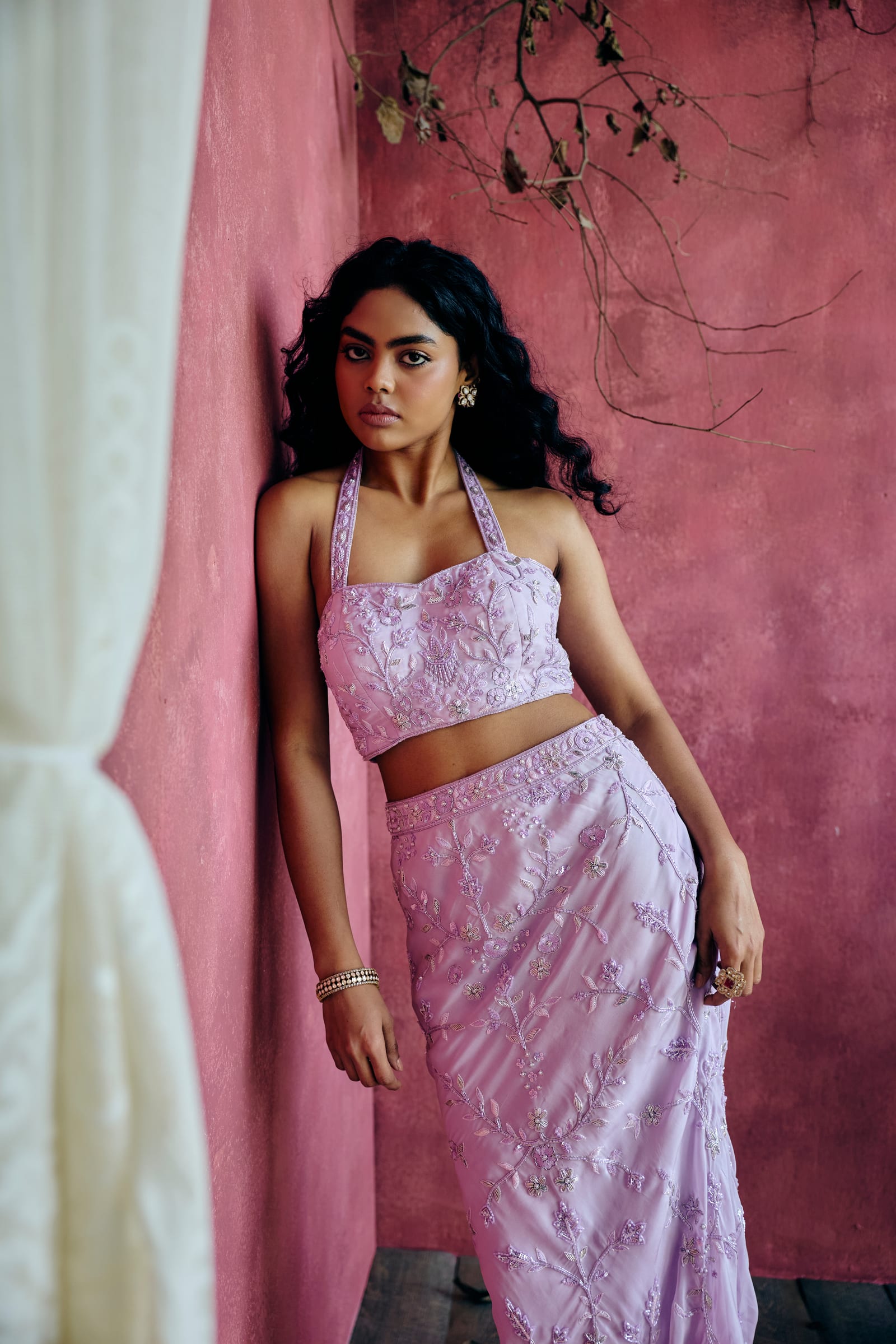
Lehenga or Saree: Which Wins for an Indian Wedding Guest?
You have three weddings this season, one wardrobe, and the same question every time you open your closet. A saree feels timeless, a lehenga feels effortless, and you want to look considered without spending the whole reception adjusting fabric. The choice matters more than people admit, because the right silhouette changes how you move, dance, and photograph across a long evening. By the end of this guide on lehenga vs saree for wedding guest dressing, you will know exactly which one suits your body, your comfort, and the kind of wedding you are walking into.
Lehenga vs Saree at a Glance
| Criteria | Lehenga | Saree |
|---|---|---|
| Ease of wear | High, ready to step into | Moderate, needs draping skill |
| Movement | Free, dance-friendly | Controlled, graceful |
| Styling time | Short | Longer |
| Statement factor | Bold, structured | Elegant, fluid |
| Reuse value | Mix and match pieces | Single versatile drape |
Which Outfit Is Easier to Wear as a Guest?
The lehenga is easier for most guests. You step into a stitched skirt, fasten a blouse, and arrange one dupatta, so there is no pinning marathon before you leave.
For most guests the lehenga wins on ease and rewear value — browse wedding lehengas online to find a structured, dance-friendly silhouette.
A saree rewards practice. Once draped well, it sits beautifully for hours, yet it asks for either skill or a helping hand. If your day runs from a morning function to a late reception, the lehenga keeps you mobile without constant adjustment.
There is also a practical washroom and transit factor that rarely makes it into styling guides. A lehenga's stitched waistband stays put through a car ride, a flight of stairs, or a crowded buffet line, while a saree's pleats need the occasional discreet check. None of this should put you off a saree you love, but it is worth weighing if your wedding day involves a lot of moving between venues.
Which One Looks More Luxurious in Photographs?
Both read as luxury when the fabric is right. A lehenga photographs with structure, holding its shape through twirls and group shots.
A saree photographs with flow. The pallu falls in long, clean lines that flatter height and posture. We identify two deciding factors here: your comfort with a drape, and whether you want volume or fluidity in your frame.
If you love a saree's flow but a lehenga's ease, a designer farshi set splits the difference with wide, graceful movement.
Lighting plays a bigger role than most guests expect. Under the warm, low light of an evening reception, a saree's fluid silhouette catches movement beautifully in candid shots, while a lehenga's volume and embellishments tend to photograph better under brighter, more direct lighting, such as at daytime functions or on a well-lit stage backdrop. If you know the venue will be dimly lit, lean toward fabrics with a subtle sheen rather than heavy matte finishes, regardless of which silhouette you choose.
How Do You Match the Outfit to the Wedding?
Read the event before you choose. A sangeet or mehndi favours the lehenga for its dance-ready freedom, while a formal evening reception suits the quiet authority of a saree.
Reading the event before you choose also helps when planning around the couple — see the latest indian bridal outfits to coordinate your guest look.
- Daytime functions: lighter lehengas in soft, breathable weaves
- Cocktail and reception: a fluid saree or a sleek, structured lehenga
- Destination weddings: lehengas pack and rewear more easily
For relaxed daytime functions, a festive co ord set is an easy, comfortable alternative to both a lehenga and a saree.
Not sold on either? A palazzo suit sets with dupatta offers stitched, dance-ready comfort with an elegant, coordinated finish.
If you want fluid movement with a contemporary edge, a modern indian outfit can offer the same ease as a lehenga for high-movement functions.
For a relaxed daytime or destination function, an embroidered kaftan skirt set gives you fluid ease without any draping worry.
Choose the silhouette that lets you enjoy the night, not manage it.
What About Comfort Across a Full Wedding Day?
Indian wedding days rarely end after one function. A guest might move from a midday ceremony into an evening reception with barely an hour to freshen up, and the outfit needs to hold up across both settings without a full change. A lehenga handles this transition well because the structured skirt does not lose its shape the way a draped saree can after hours of sitting and standing.
For a contemporary twist on both, an embroidered jumpsuit women love pairs bridal-worthy detail with true dance-floor freedom.
That said, a well-chosen saree fabric, particularly a crisp silk or a georgette with some body, resists creasing far better than a soft, clingy weave. If you are set on a saree for a long day, ask your tailor for a slightly fuller pleat count and secure pin placement at the shoulder, since that single adjustment prevents most of the slipping that makes sarees feel high-maintenance in the first place.
Key Takeaways
- The lehenga is the easier, more forgiving choice for first-time wearers.
- A saree offers fluid elegance that flatters height and posture.
- Match the silhouette to the function, not just the trend.
- Lehenga separates can be styled in multiple ways for different events.
- Comfort and movement should guide the final decision.
Expert Note
When styling guests for long wedding days, the detail that determines comfort is blouse fit, not the skirt or drape. A blouse with a slightly higher back and proper bust support keeps posture relaxed through dinner. Heavy hemlines also drag on grass at outdoor venues, so weight distribution matters as much as the fabric you fall for.
When a Saree Is Not the Right Choice
A saree is not ideal if you are new to draping and will not have help on the day. The fear of a slipping pleat can pull your attention away from the celebration. For high-movement functions or first-time wearers, a stitched lehenga removes that worry entirely.
The Verdict: For most wedding guests, the lehenga wins out for ease, movement, and rewear value, while the saree remains the choice for those who want pure, fluid elegance and are comfortable with a drape.
If you want a look that travels from ceremony to dance floor without fuss, start your lehenga vs saree for wedding guest decisions with a curated edit of premium ethnic wear for women that fits your event and your comfort.
Lehenga or Saree FAQ — We Help You Decide
Q: Is a lehenga or a saree better for a wedding guest?
A: For most guests, a lehenga is better because it is quick to wear and dance-friendly. A saree suits those who prefer fluid elegance and are comfortable with draping. Match each silhouette to its function for the strongest wedding-guest outfit.
Q: Can a beginner wear a saree to a wedding?
A: Yes, a beginner can wear a saree with practice or pre-stitched draping options. If help is unavailable on the day, a stitched lehenga offers a similar luxe look without the styling pressure of saree draping.
Q: Which is more comfortable for dancing at a sangeet?
A: A lehenga is more comfortable for dancing. The stitched skirt allows free movement, and the dupatta can be tucked in. This makes it the practical pick for high-energy functions like sangeet and mehndi.
Q: What body type suits a lehenga versus a saree?
A: Lehengas flatter most body types with their structured skirts, while sarees elongate the frame and suit those wanting fluid lines. Both work beautifully when the fabric and fit are chosen with care.
Q: How do I make a wedding guest outfit look more expensive?
A: Focus on fabric weight, clean tailoring, and minimal, well-chosen jewellery. A precise blouse fit and a neatly arranged drape read as luxury, whether you choose a lehenga or a saree.
Shop the edit
Shop Lehenga Sets